Conditions We Treat
Whatever brought you in (acute pain, a nagging old injury, or a performance goal), here's where we typically start.
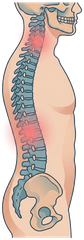
Back & Neck Pain
Acute strain, chronic tightness, and disc-related discomfort.
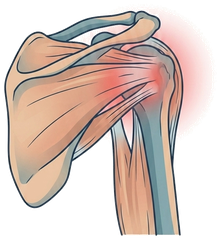
Shoulder Pain
Overuse, impingement, and post-injury stiffness.
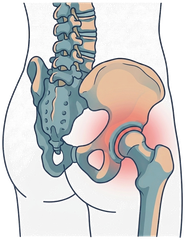
Hip & Knee Pain
From running-related strain to post-surgical recovery.
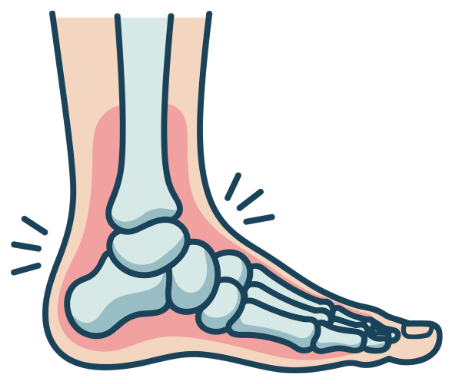
Foot & Ankle Pain
Sprains, overuse injuries, and gait-related dysfunction.
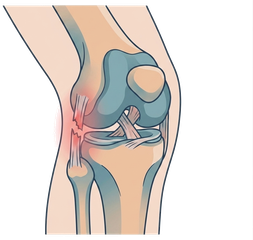
Sports Injuries
Sprains, strains, and overuse injuries at every level of competition.
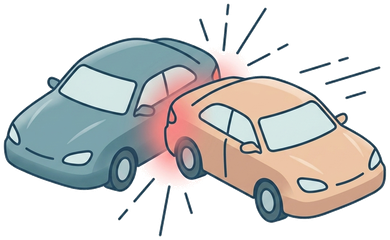
Auto Collision Recovery
A clear, goal-oriented plan back to full function after a wreck.
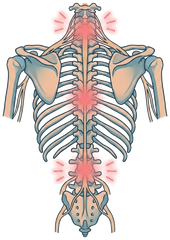
Chronic Pain & Movement Dysfunction
When the pain keeps coming back, we look for the functional cause. see 3D movement assessment.
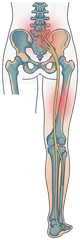
Sciatica
Radiating pain, numbness, or tingling from the lower back down the leg. see chiropractic care.
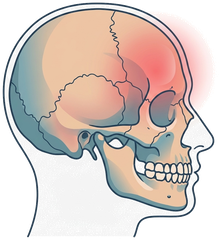
Headaches & Migraines
Tension-type and cervicogenic headaches often tied to neck and upper-back dysfunction. see dry needling.
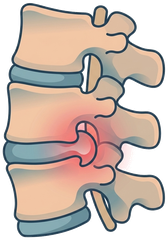
Herniated & Bulging Disc
Non-surgical care to relieve pressure and support the disc's natural healing process. see chiropractic care.
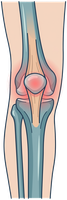
Runner's Knee
Kneecap pain from gait dysfunction and tracking issues, often traced back to a running-specific compensation. see gait analysis.
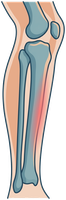
Shin Splints
Pain along the shin from repetitive impact, frequently tied to gait mechanics and training load. see gait analysis.
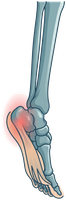
Plantar Fasciitis
Heel and arch pain from strain on the plantar fascia, often driven by how your foot strikes when you run. see gait analysis.
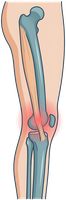
IT Band Syndrome
Outer knee pain from a tight or overloaded IT band, common in runners increasing mileage too quickly. see gait analysis.
Frequently Asked Questions
Common Questions About Your Condition
Sciatica is typically caused by irritation or compression of the sciatic nerve, often from a herniated disc, muscle tightness, or spinal misalignment. A 3D movement assessment can help pinpoint the specific cause so treatment targets the source, not just the symptom.
Yes. Many headaches, especially tension-type and cervicogenic headaches, are linked to dysfunction in the neck and upper back. Restoring proper motion in that area can reduce headache frequency and severity.
Not always. Many herniated and bulging discs respond well to non-surgical care, including chiropractic adjustments, myofascial release, and movement-based rehabilitation, especially when addressed early.
Schedule a discovery call. We'll talk through what you're dealing with and whether we're the right fit.